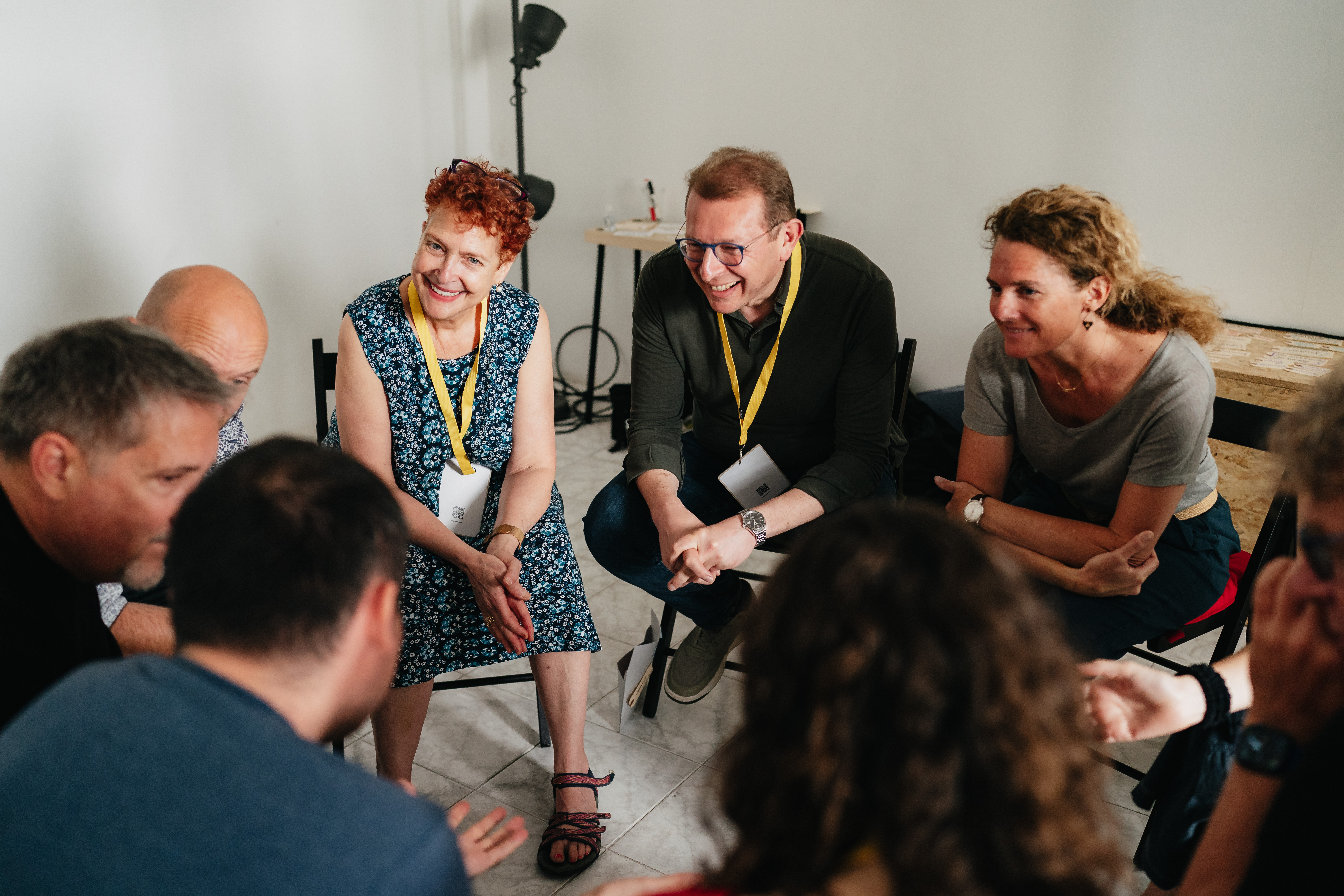

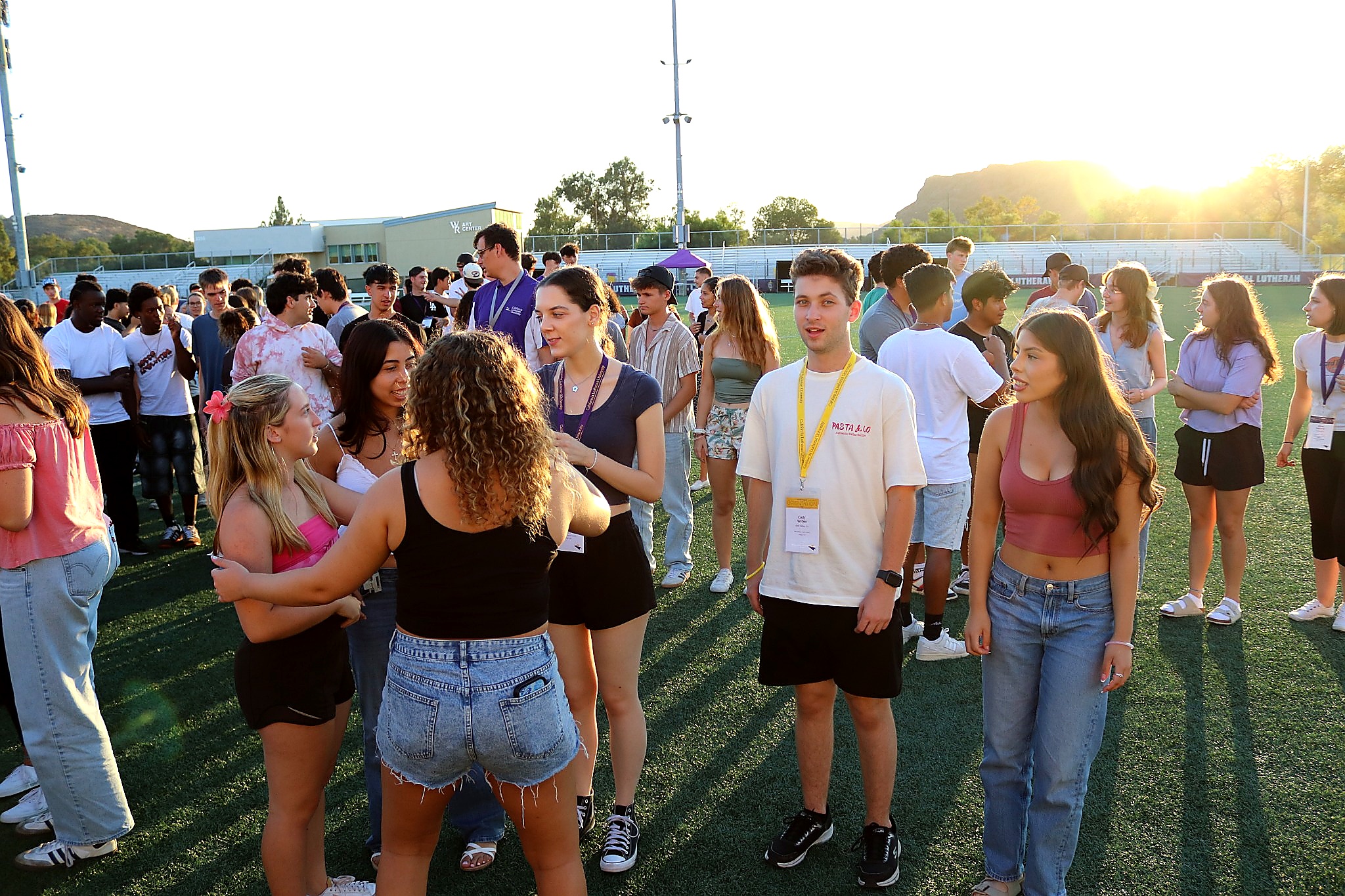
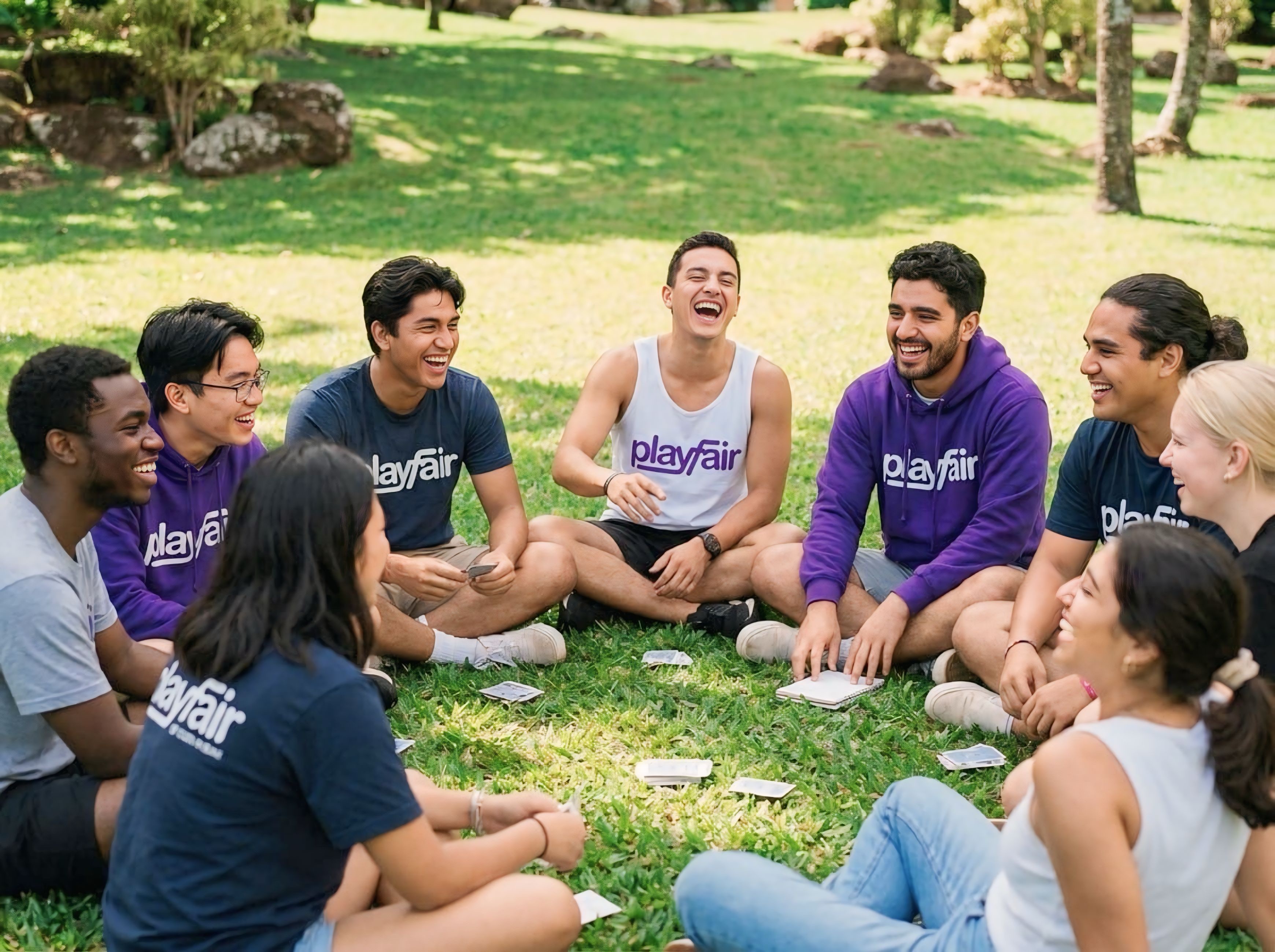








For many students, that decision is shaped by the people they meet early: a familiar face in a lecture, a study group that becomes friends, someone who saves them a seat, or the feeling that someone would notice if they did not show up.
That kind of connection can change the whole first-year experience. A student who finds people early has more reasons to come back. A student who does not can end up trying to manage the transition alone, and may be more likely to quietly drift away before they ever really settle in.
What the research shows
In Australia, the national Student Experience Survey found that 18.3% of undergraduates seriously considered leaving. In New Zealand, belonging is recognised as a key driver of retention and completion, especially for Māori and Pacific learners. In Singapore, where graduation rates are high, the challenge often shows up less as dropout and more as first-year stress, pressure, and isolation.
Across these contexts, the reasons students struggle often have less to do with coursework alone and more to do with pressure, loneliness, and the sense of not fitting in, especially for students away from home for the first time.
What Playfair changes
When Playfair's impact has been measured, the results are strong. An analysis of U.S. Department of Education IPEDS data across 32 North American universities found first-year retention rose by 1% to 11% in the year after Playfair was introduced.
In U.S. budget terms, that represents roughly US$121,000 at smaller campuses to more than US$2.6 million at larger ones in a single year. These are North American figures, but the point is relevant here too: early connection is not just good for student experience, it can also affect whether students stay, and whether they thrive.
Why Playfair works
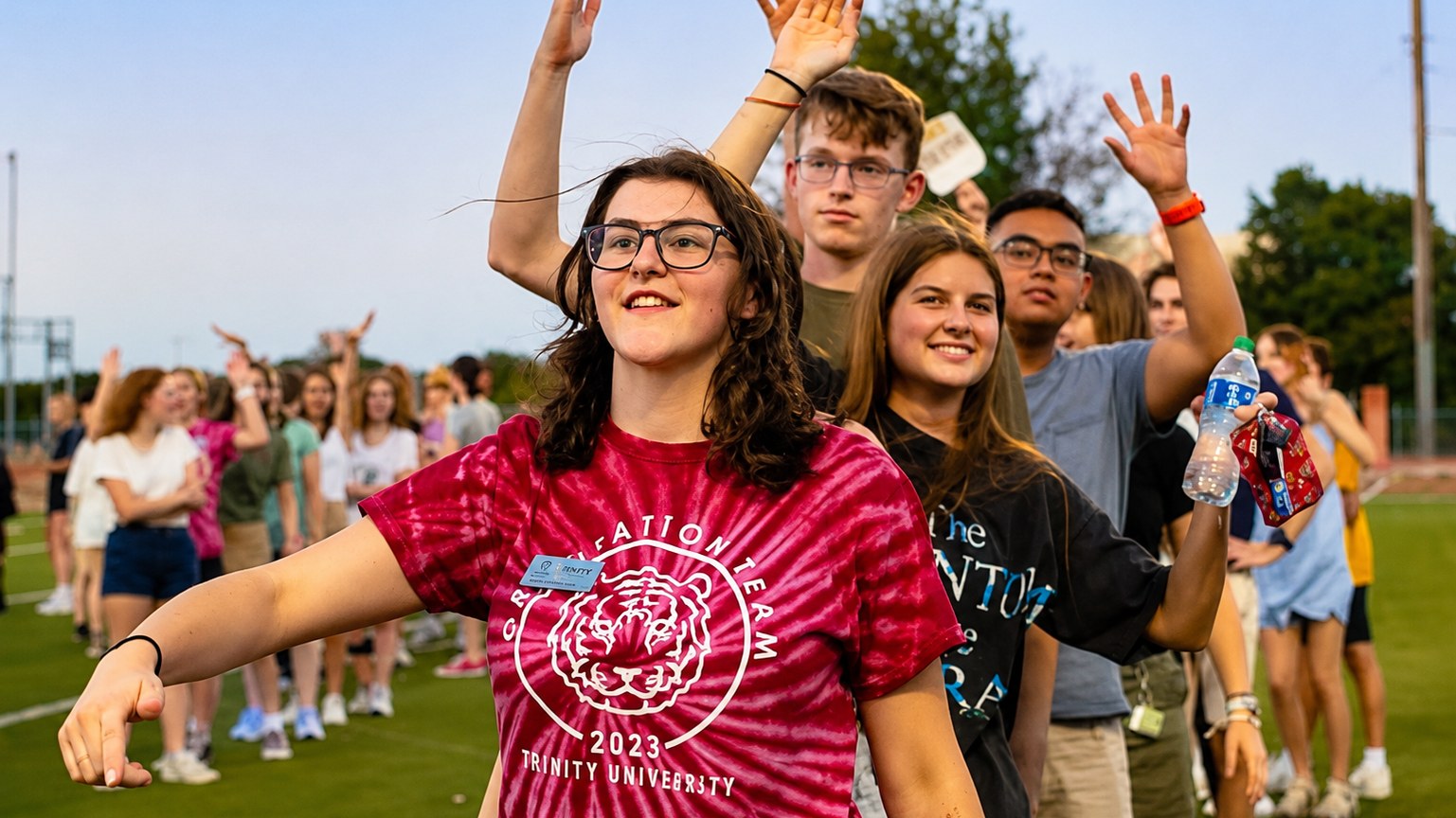
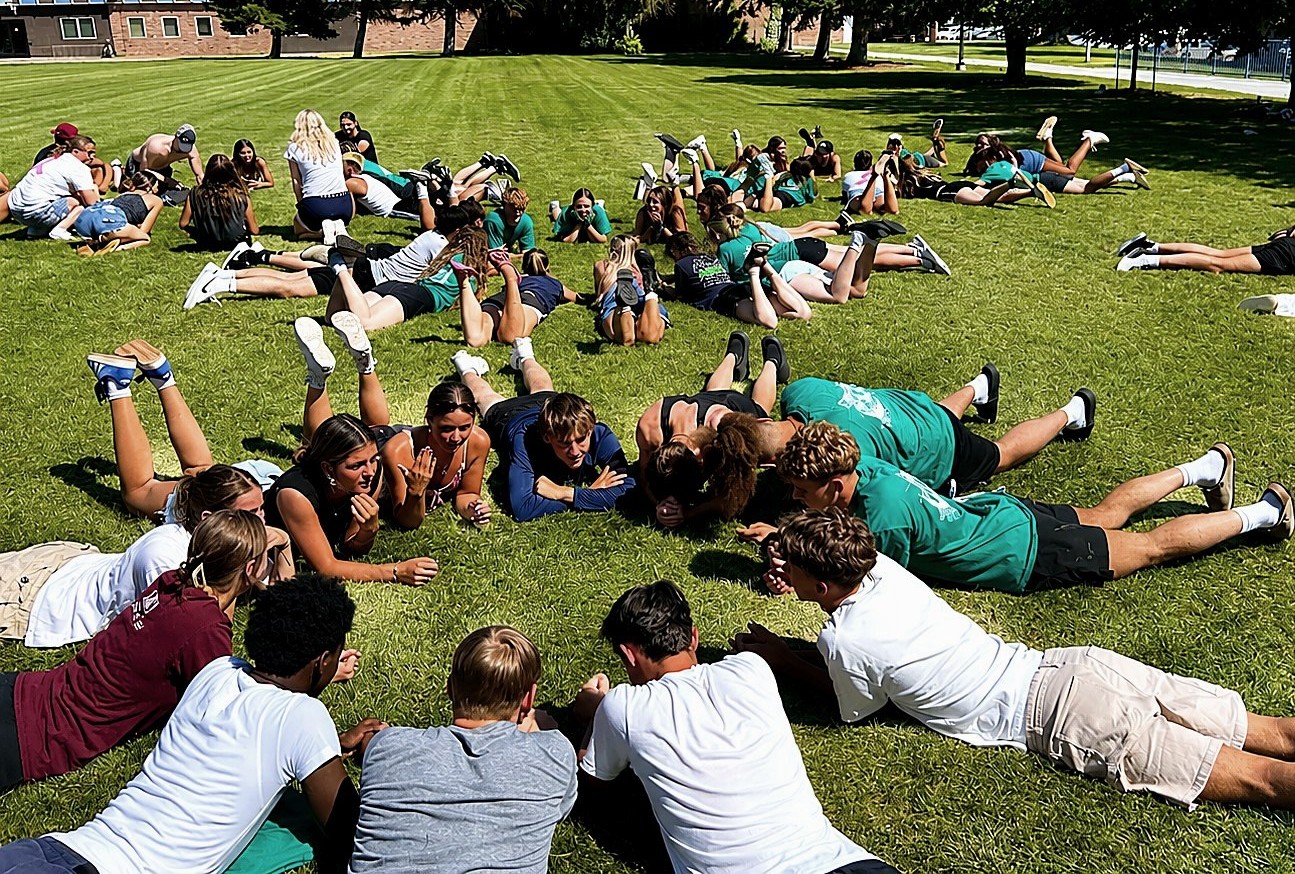
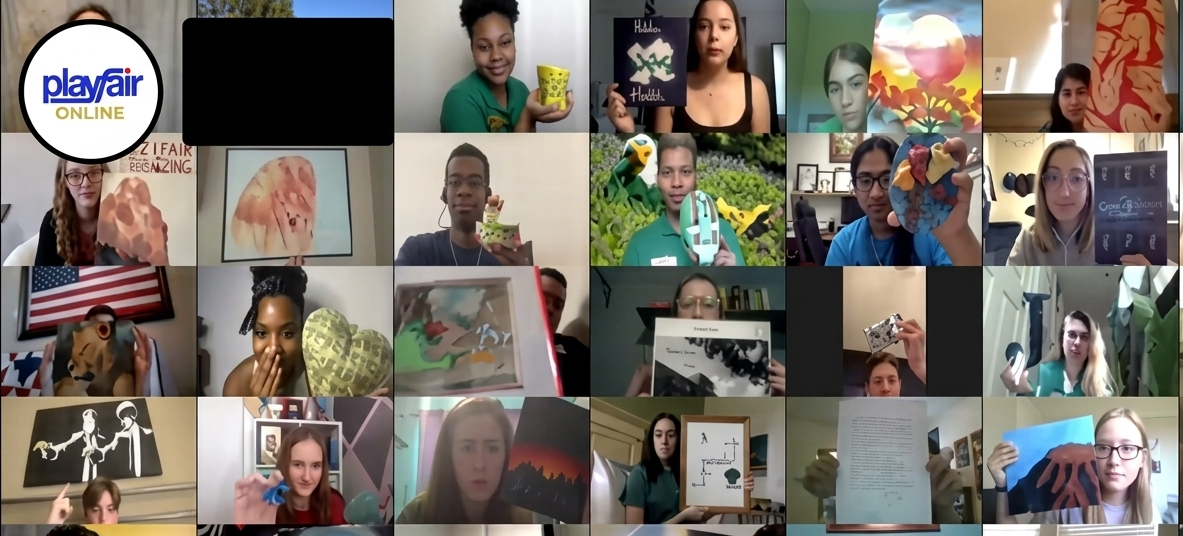
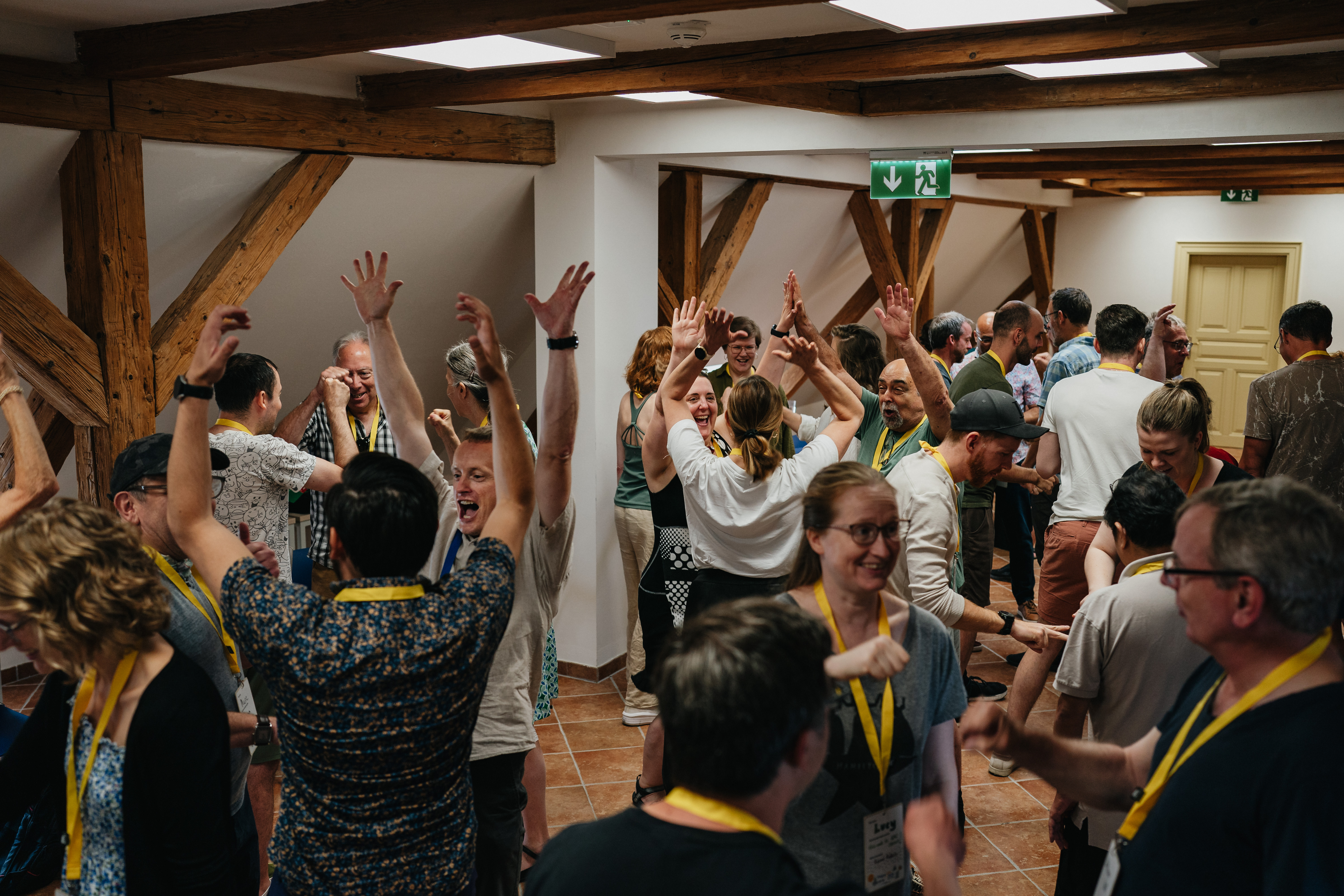
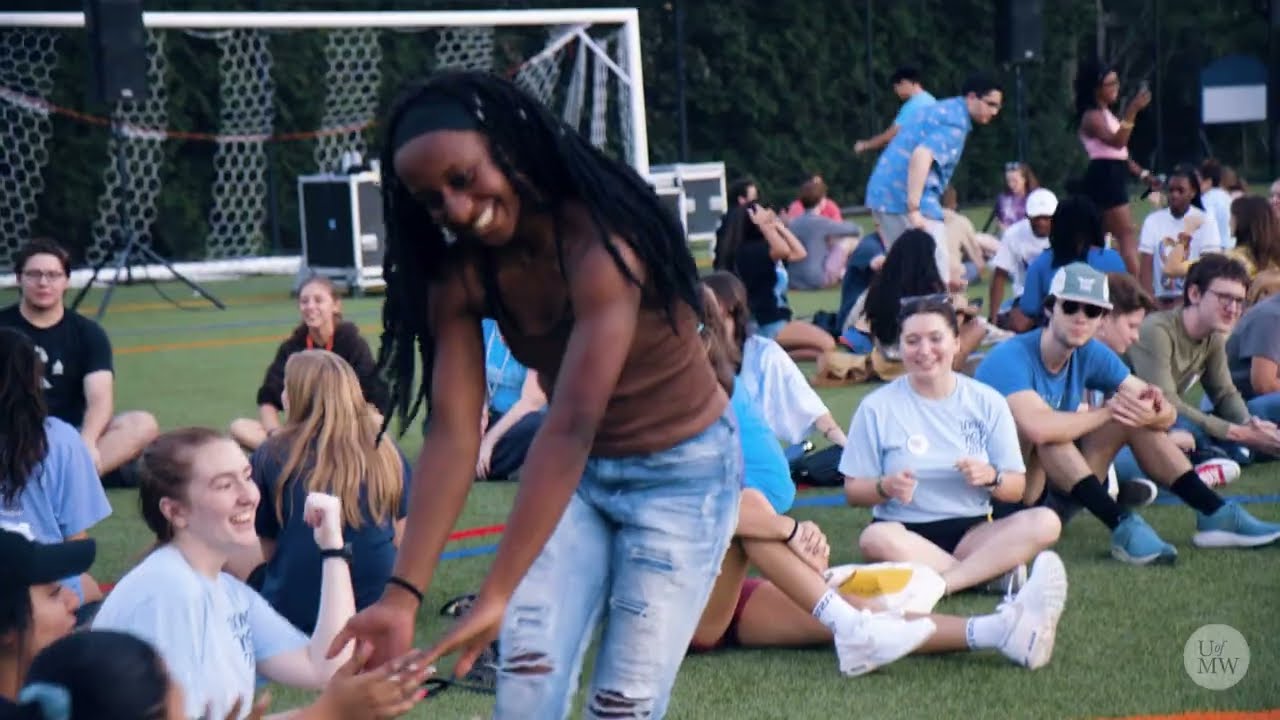
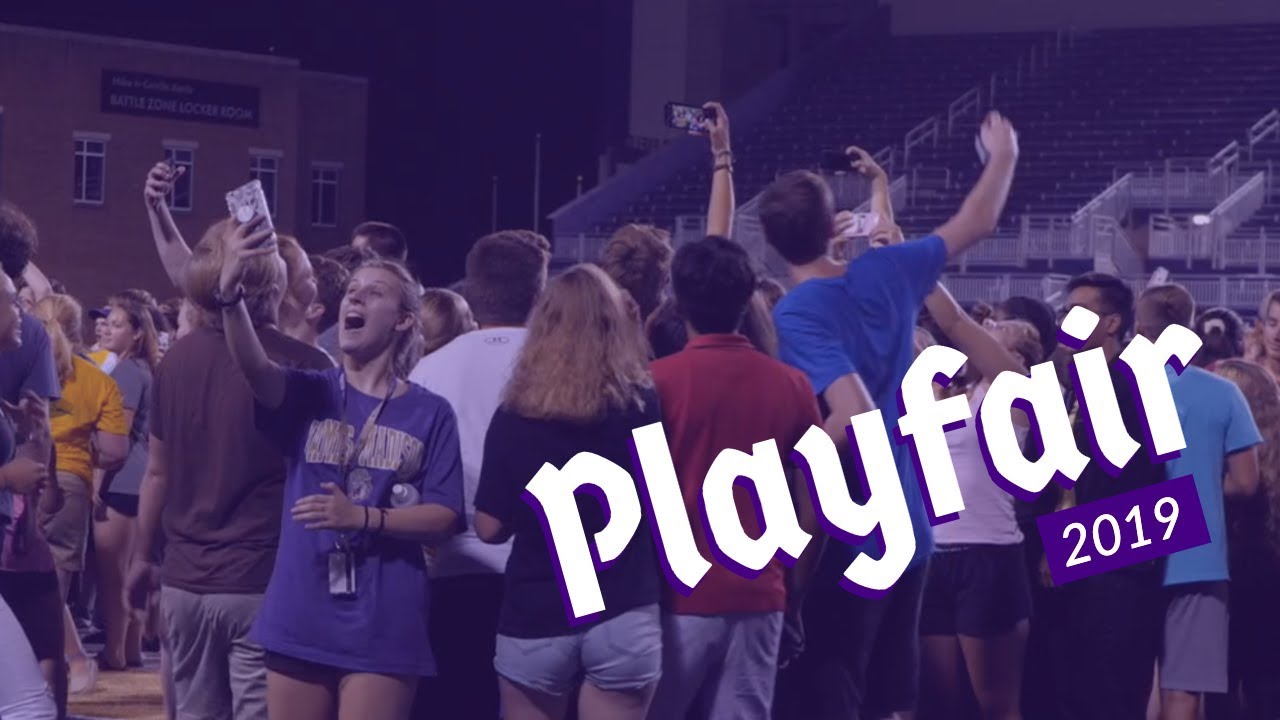
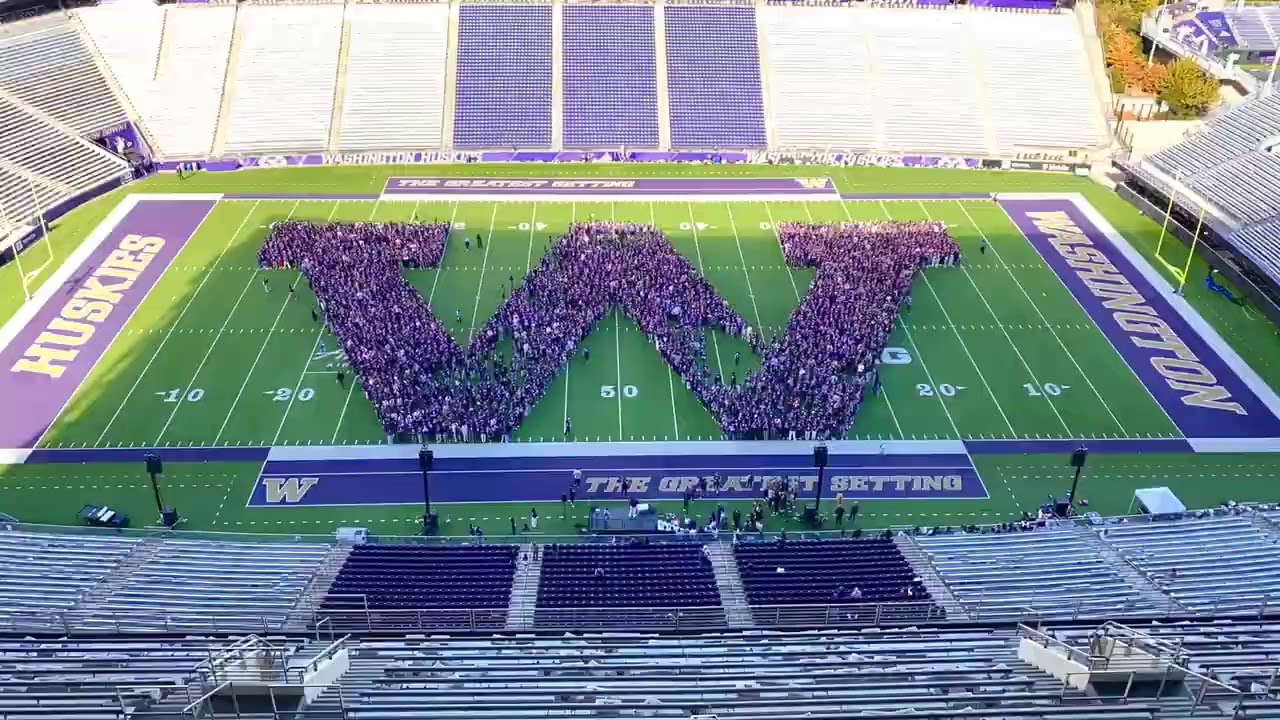
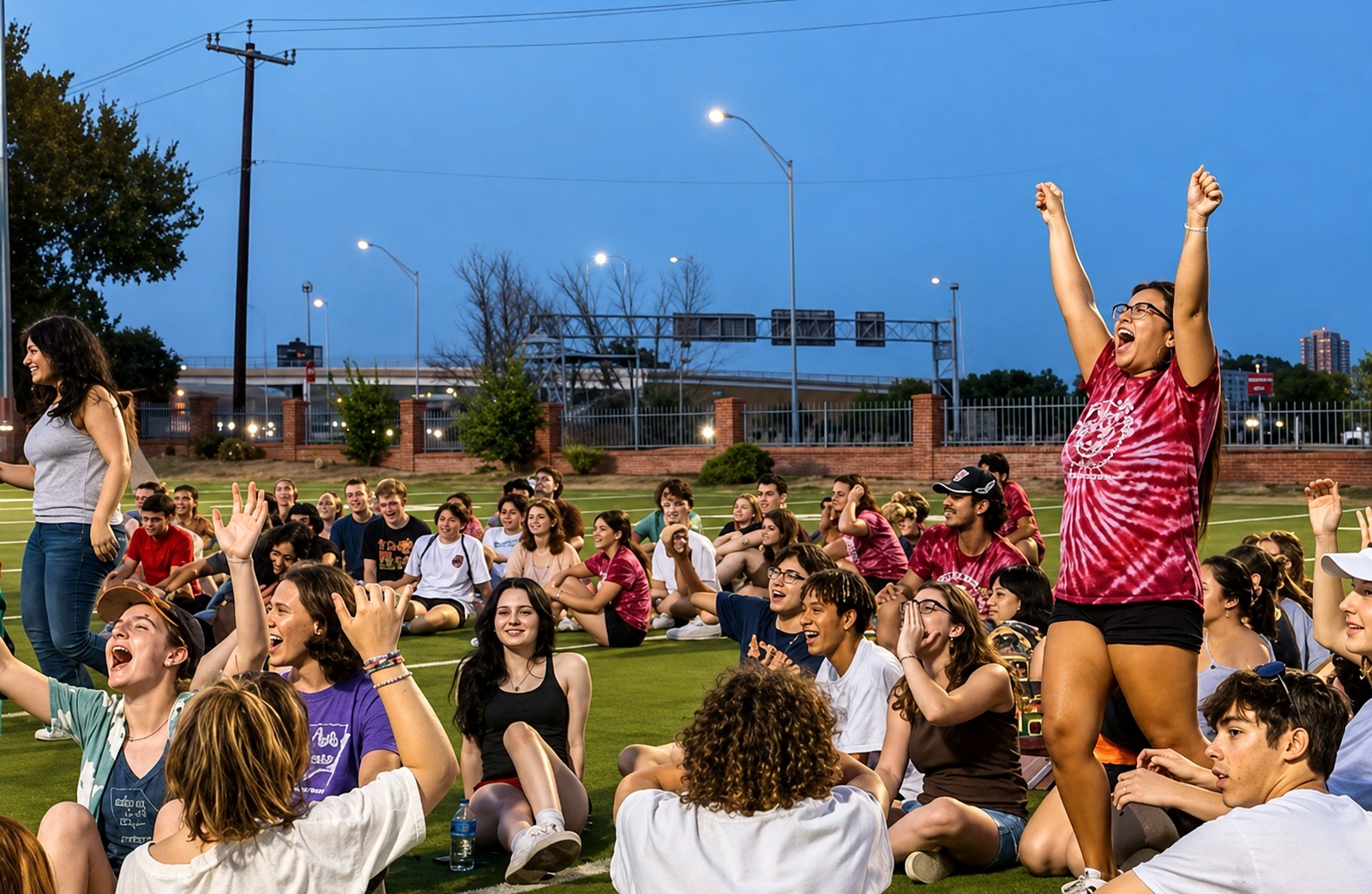
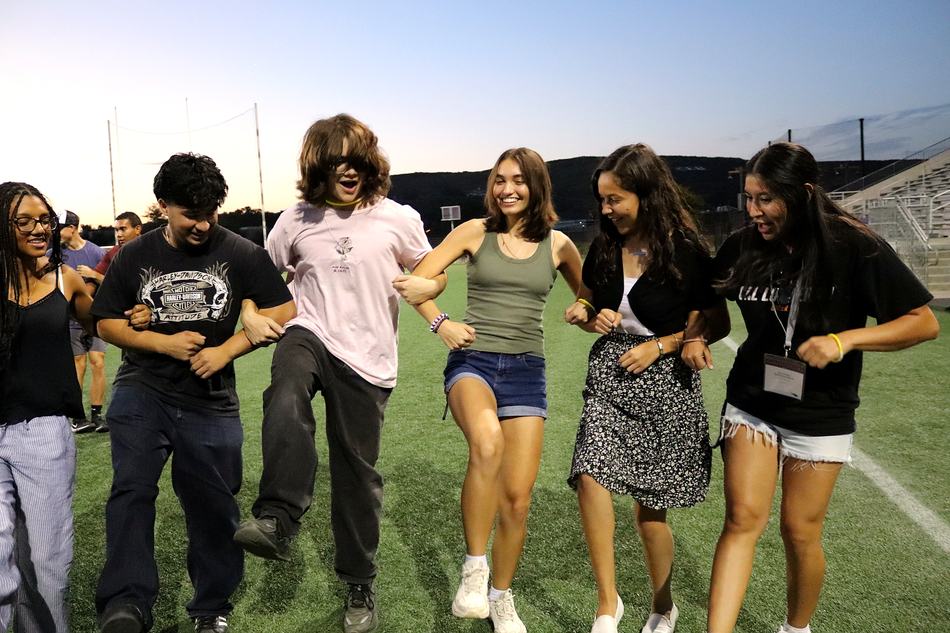
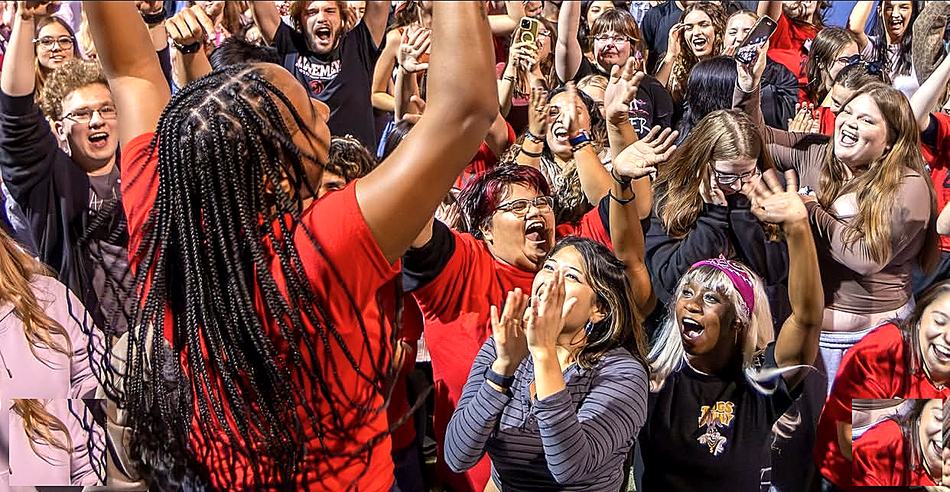
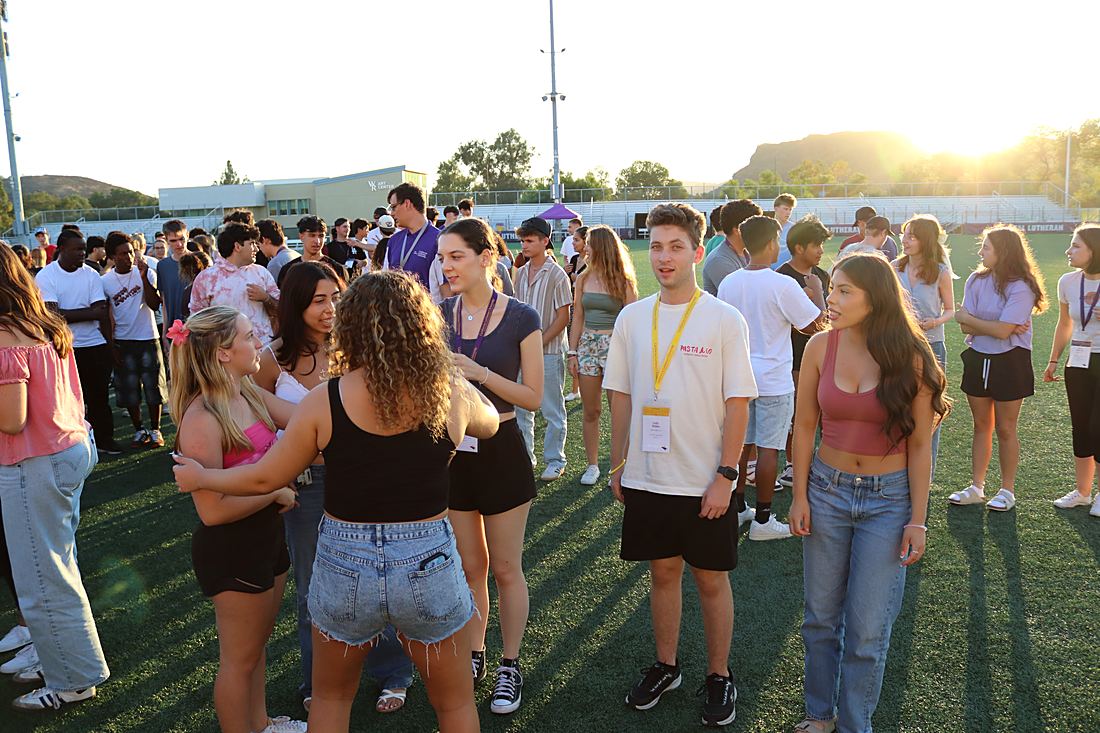
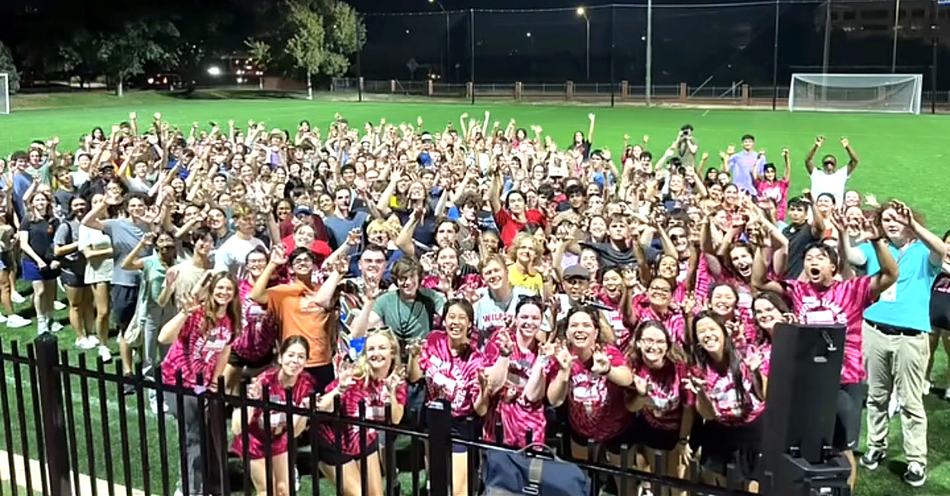
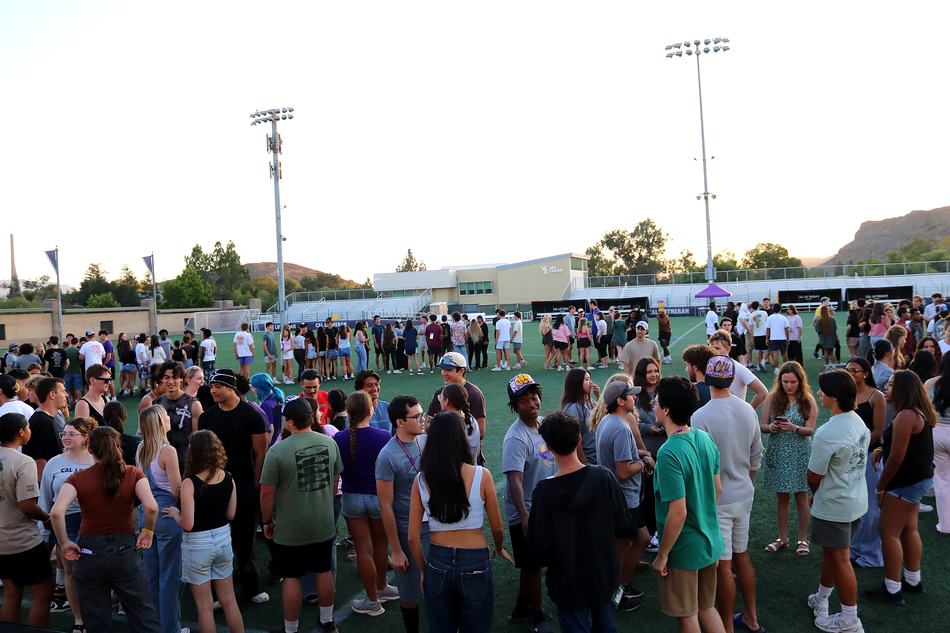
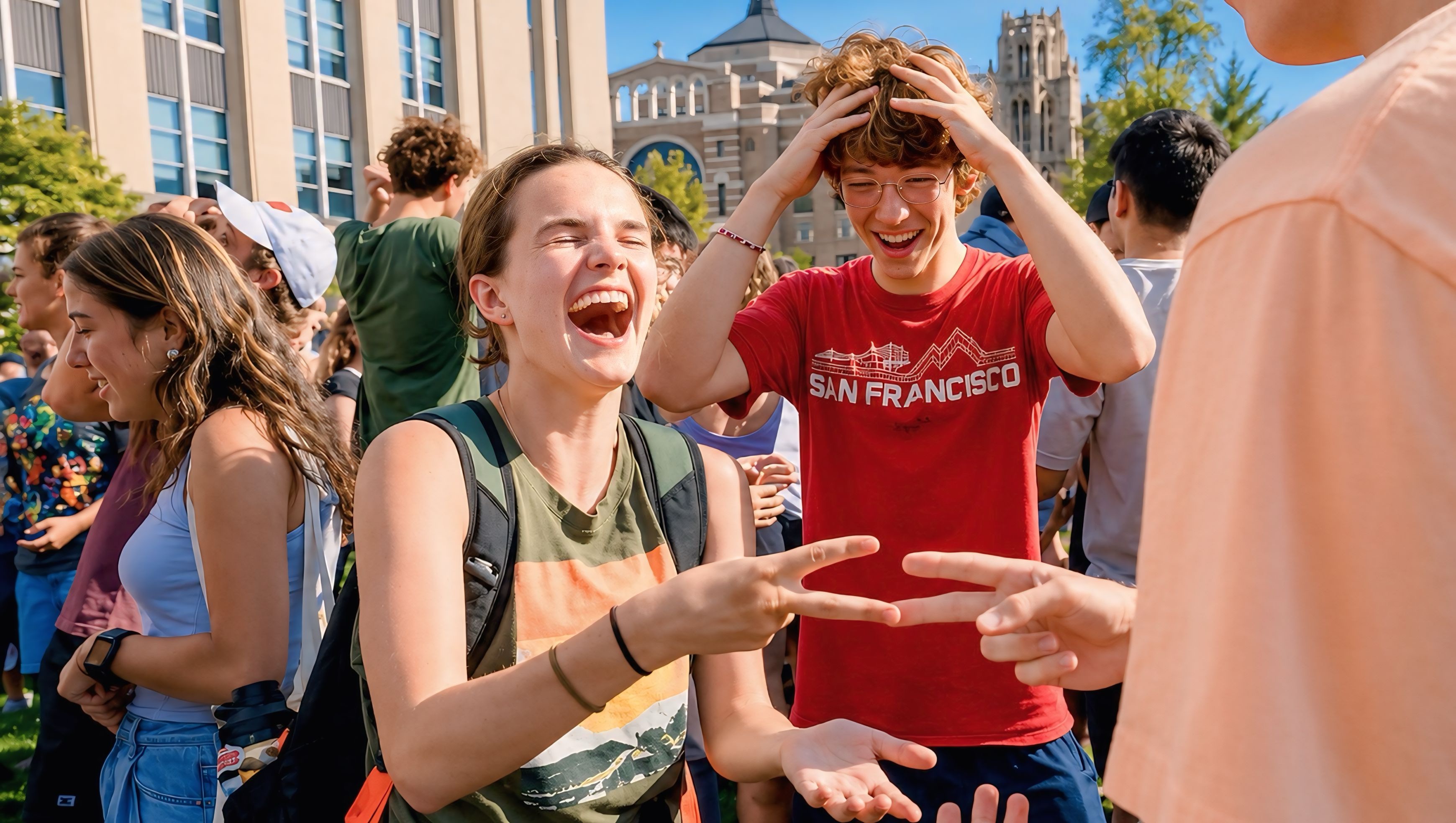
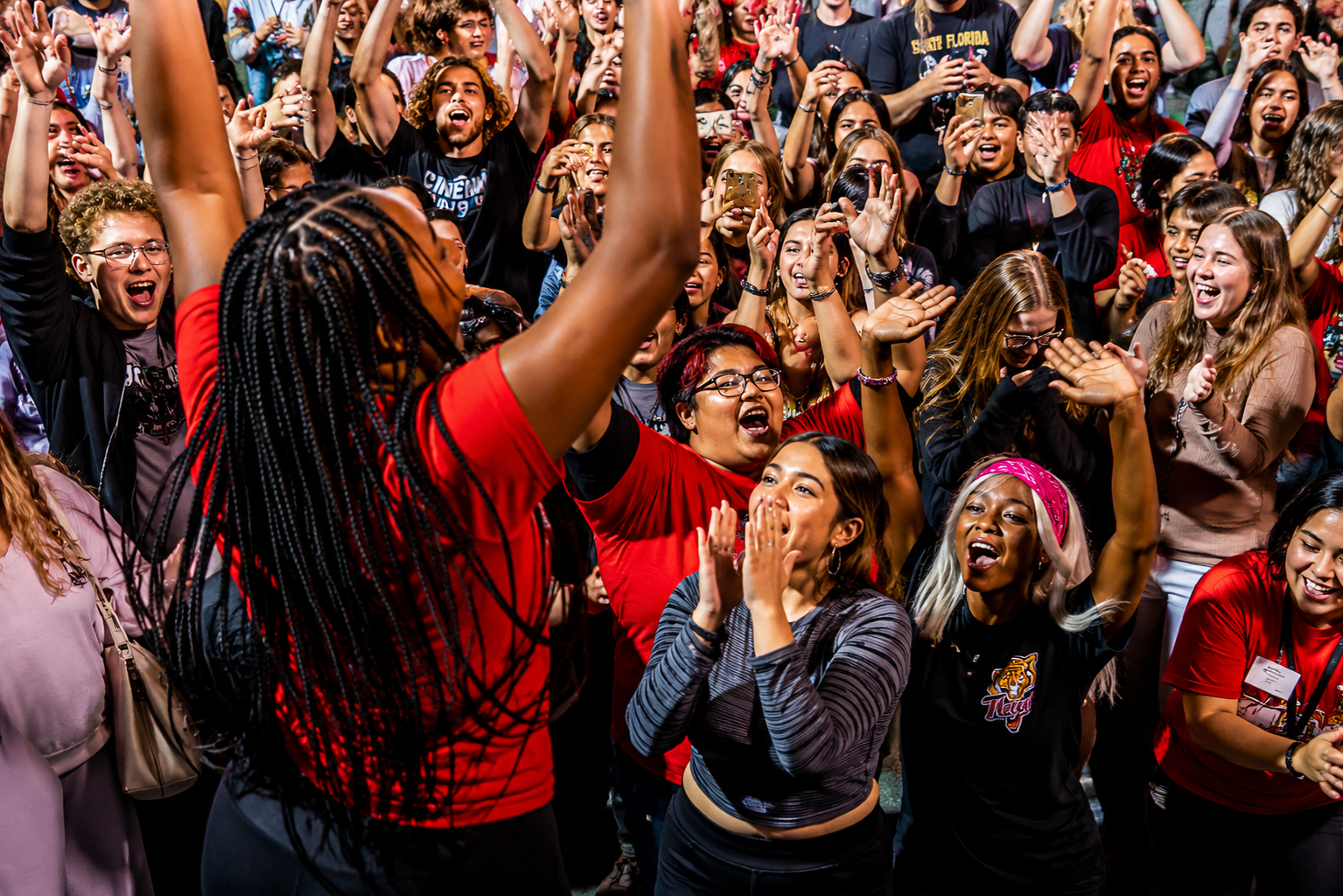
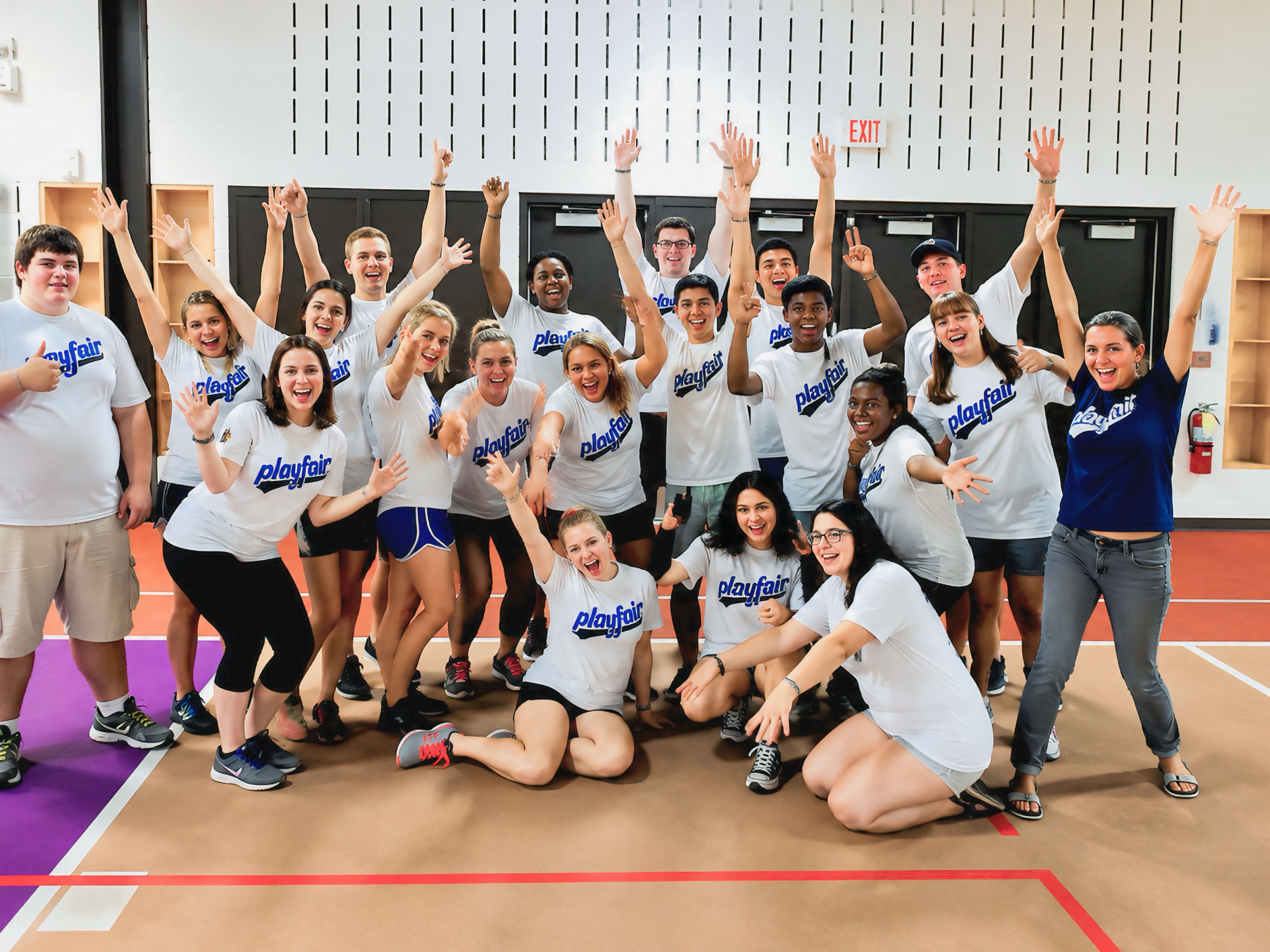
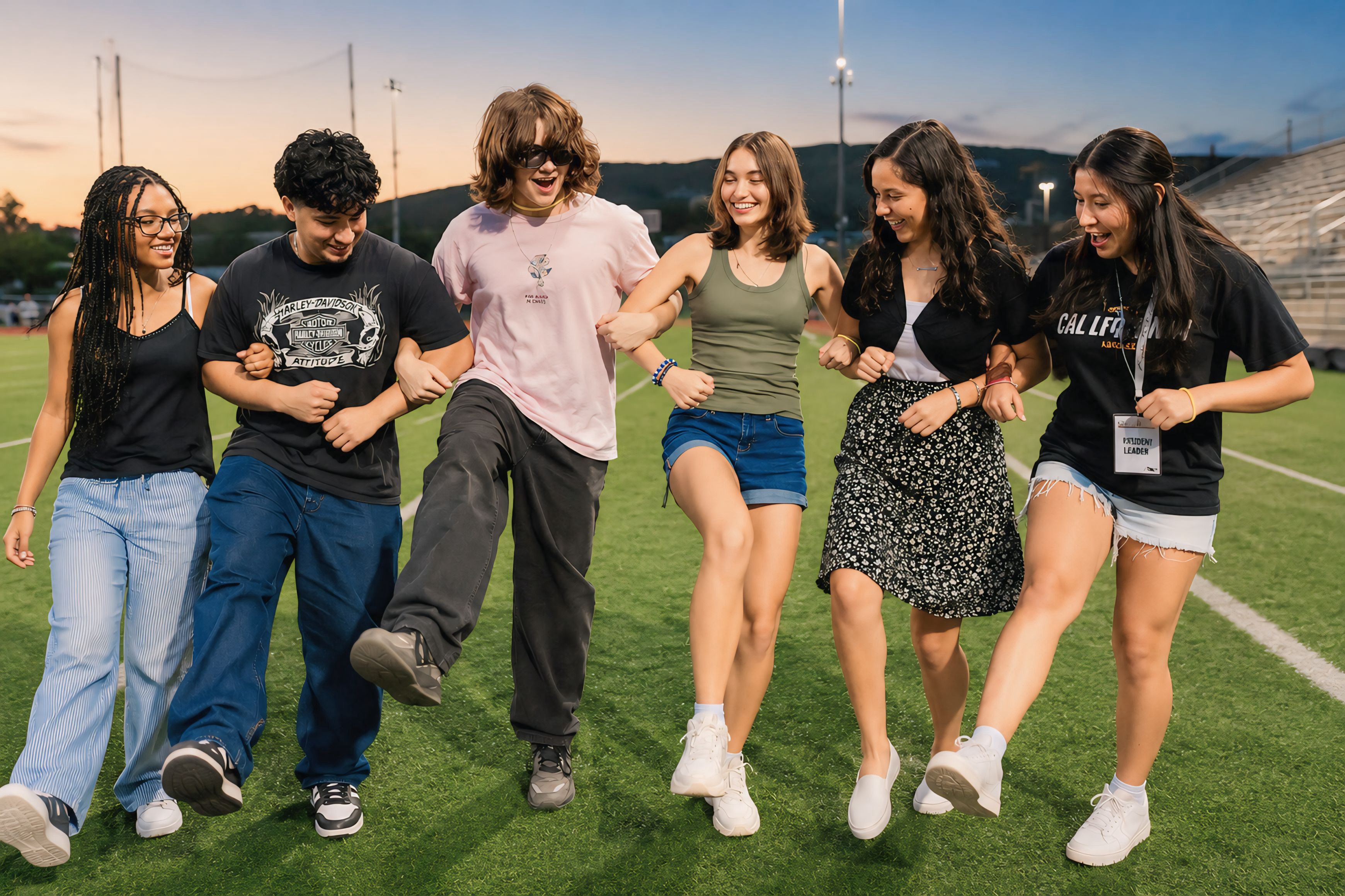
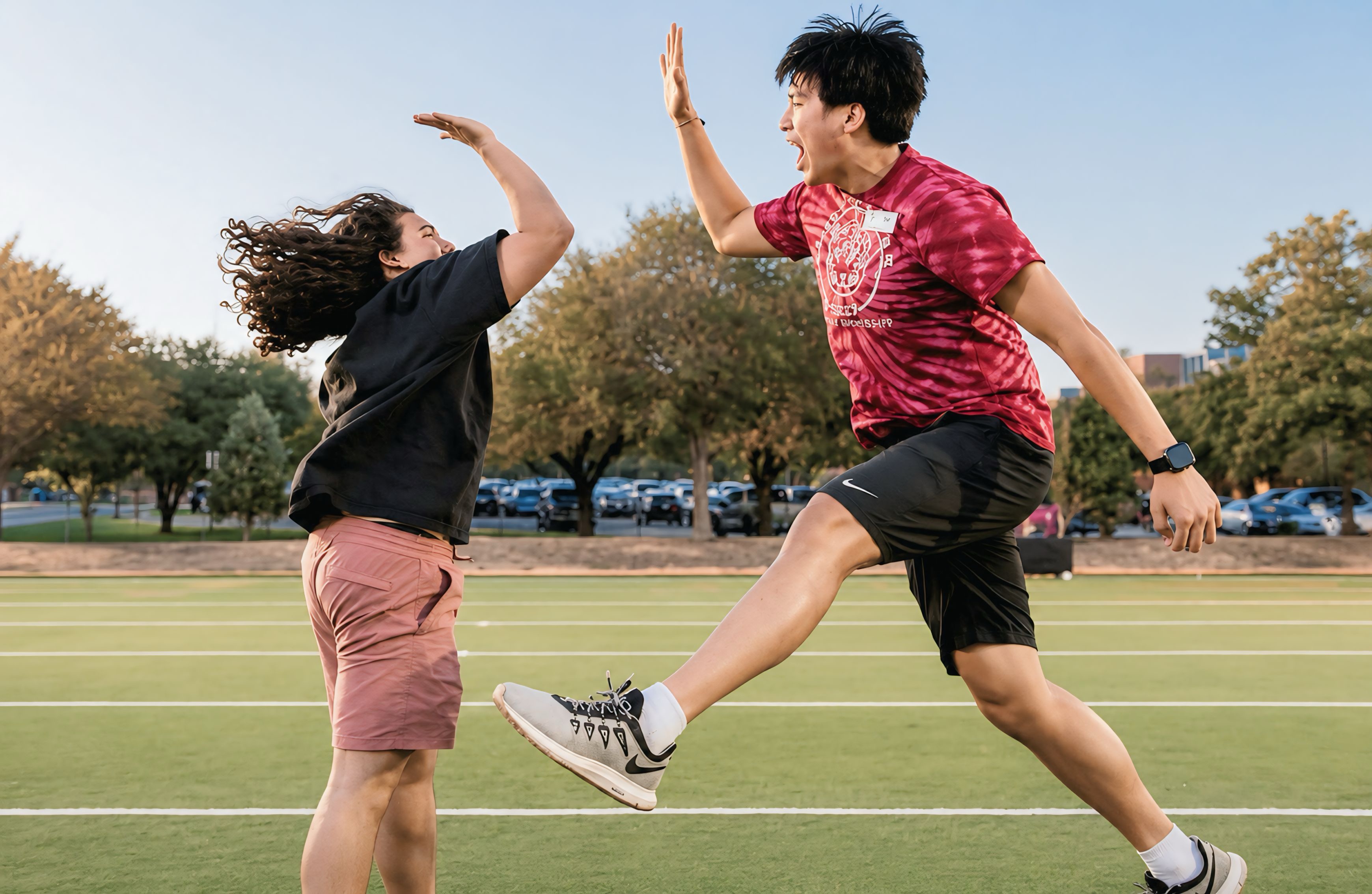
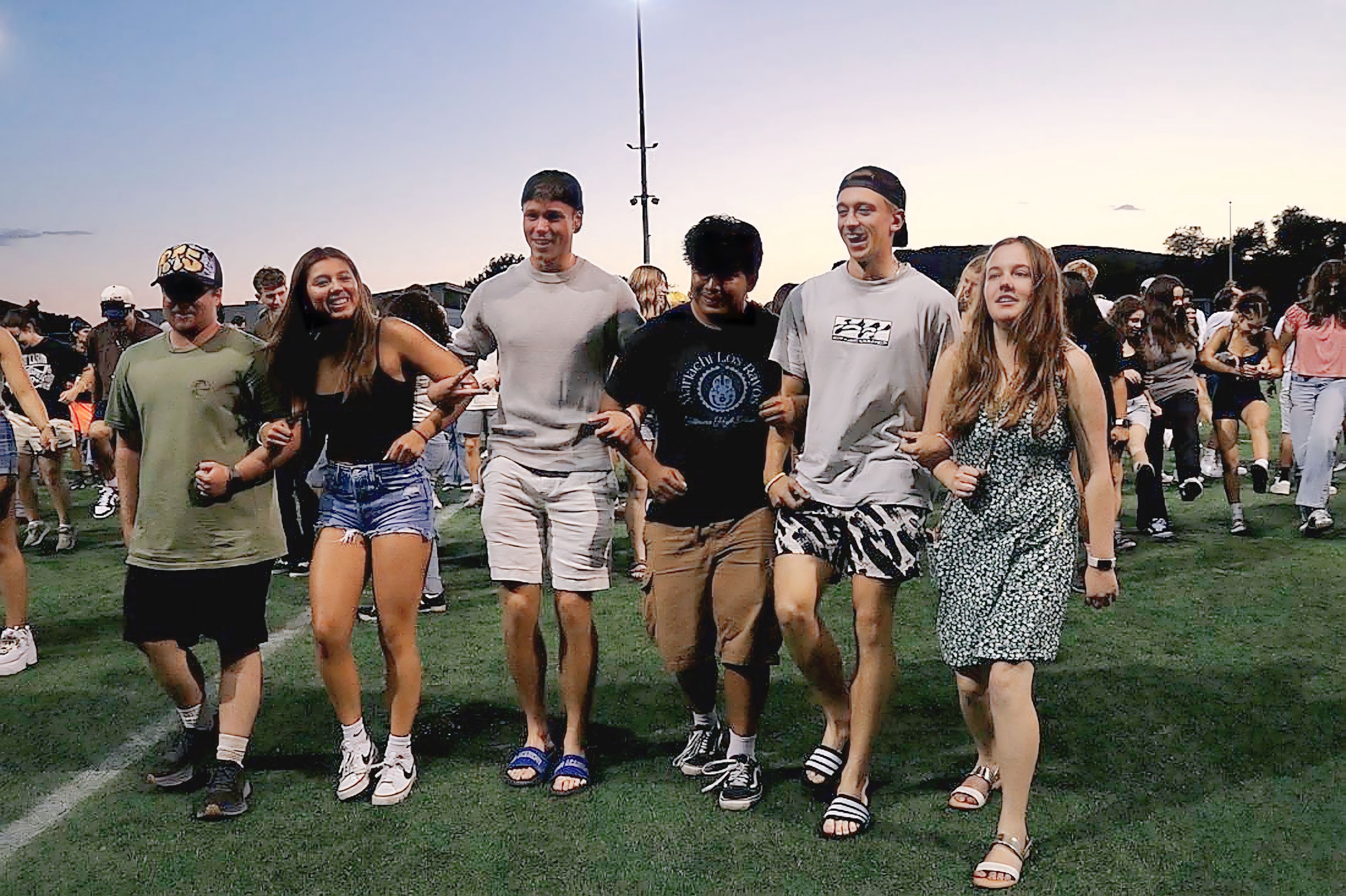
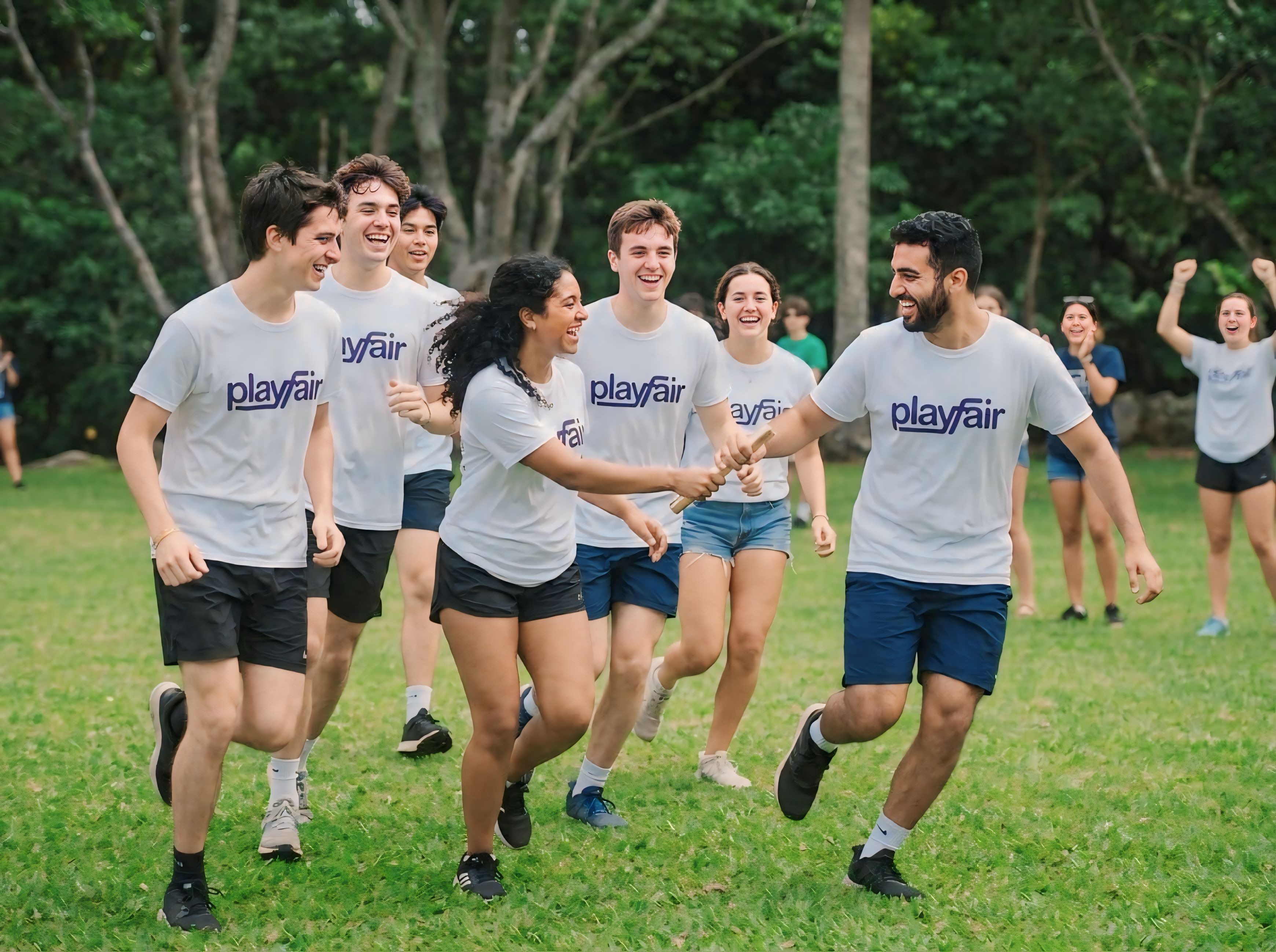
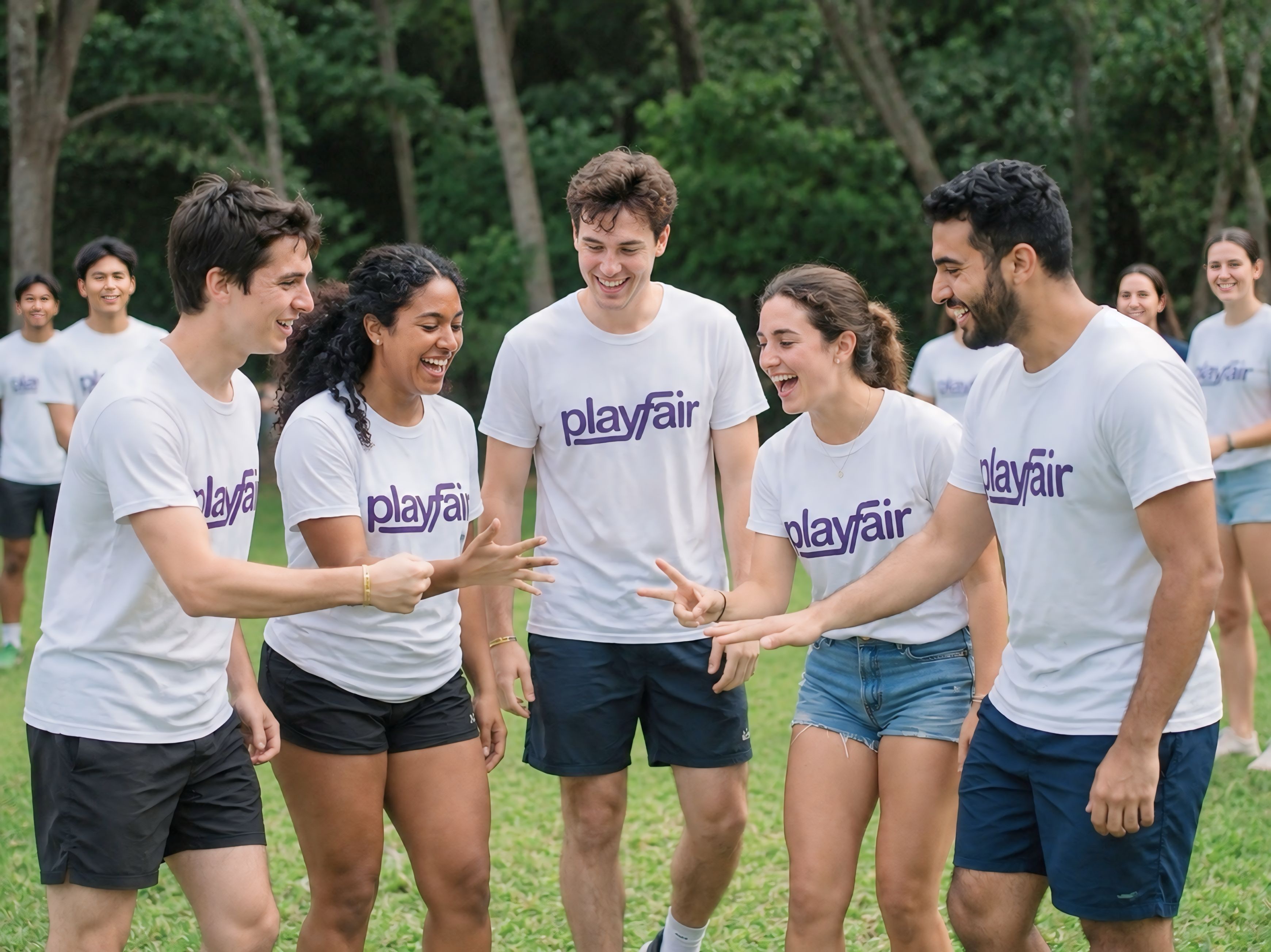
Playfair works because connection is designed, not left to chance. In one shared experience, students take part in dozens of small, low-stakes interactions, meeting far more people than they would in the first weeks on their own.
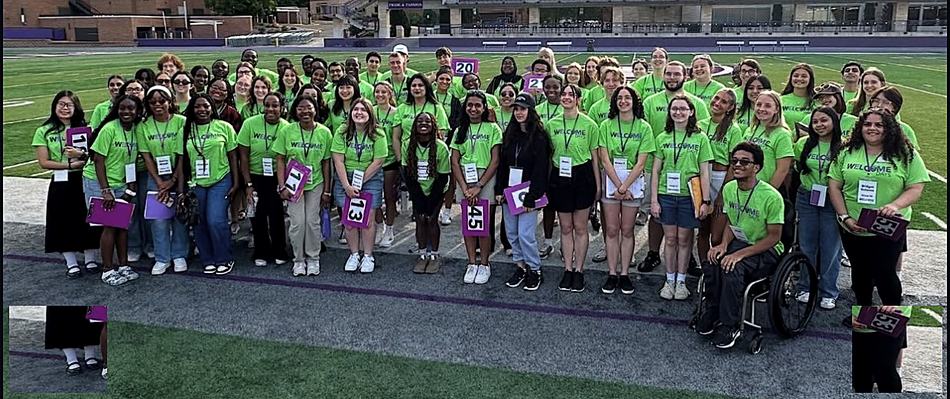
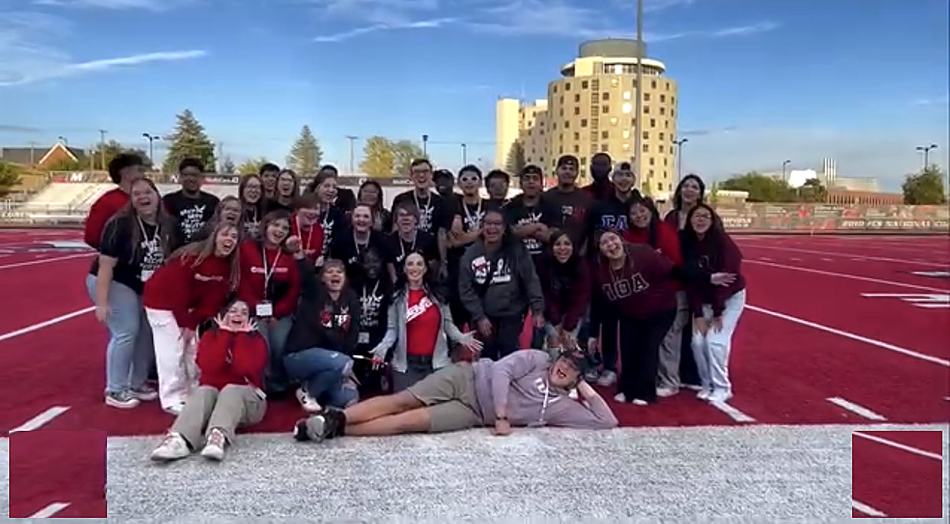
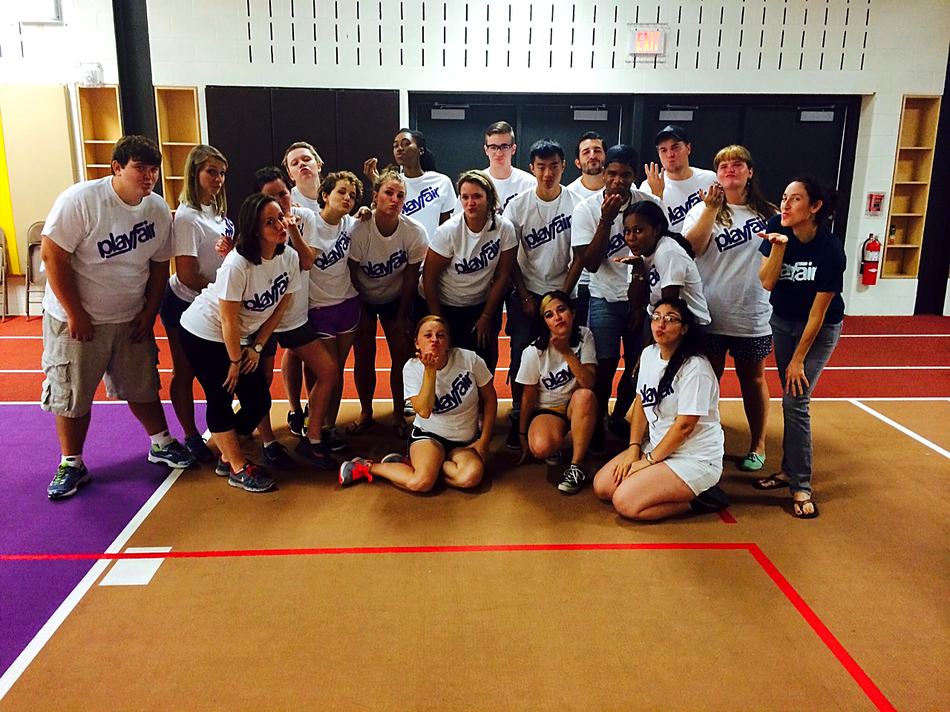
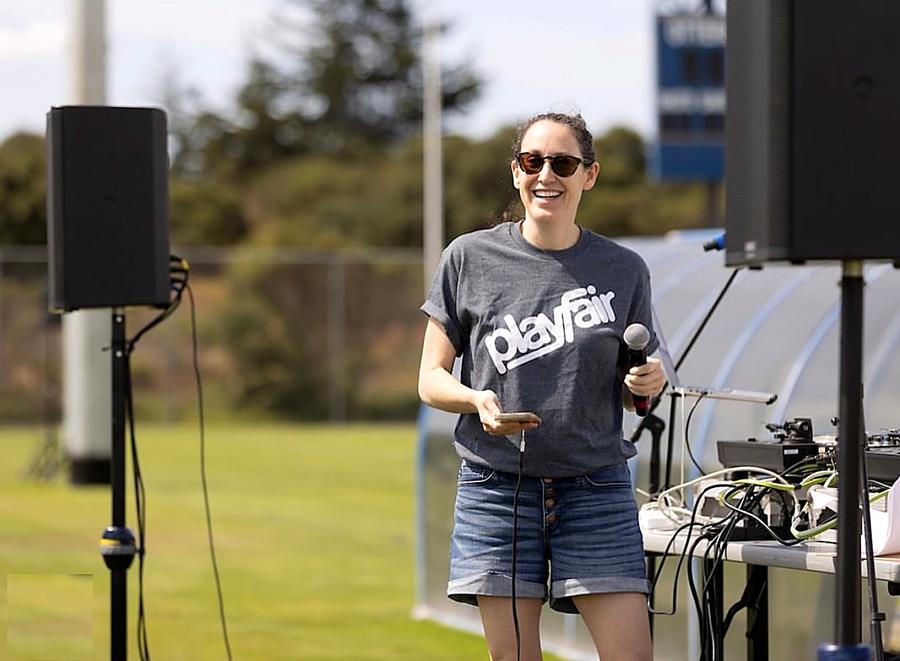
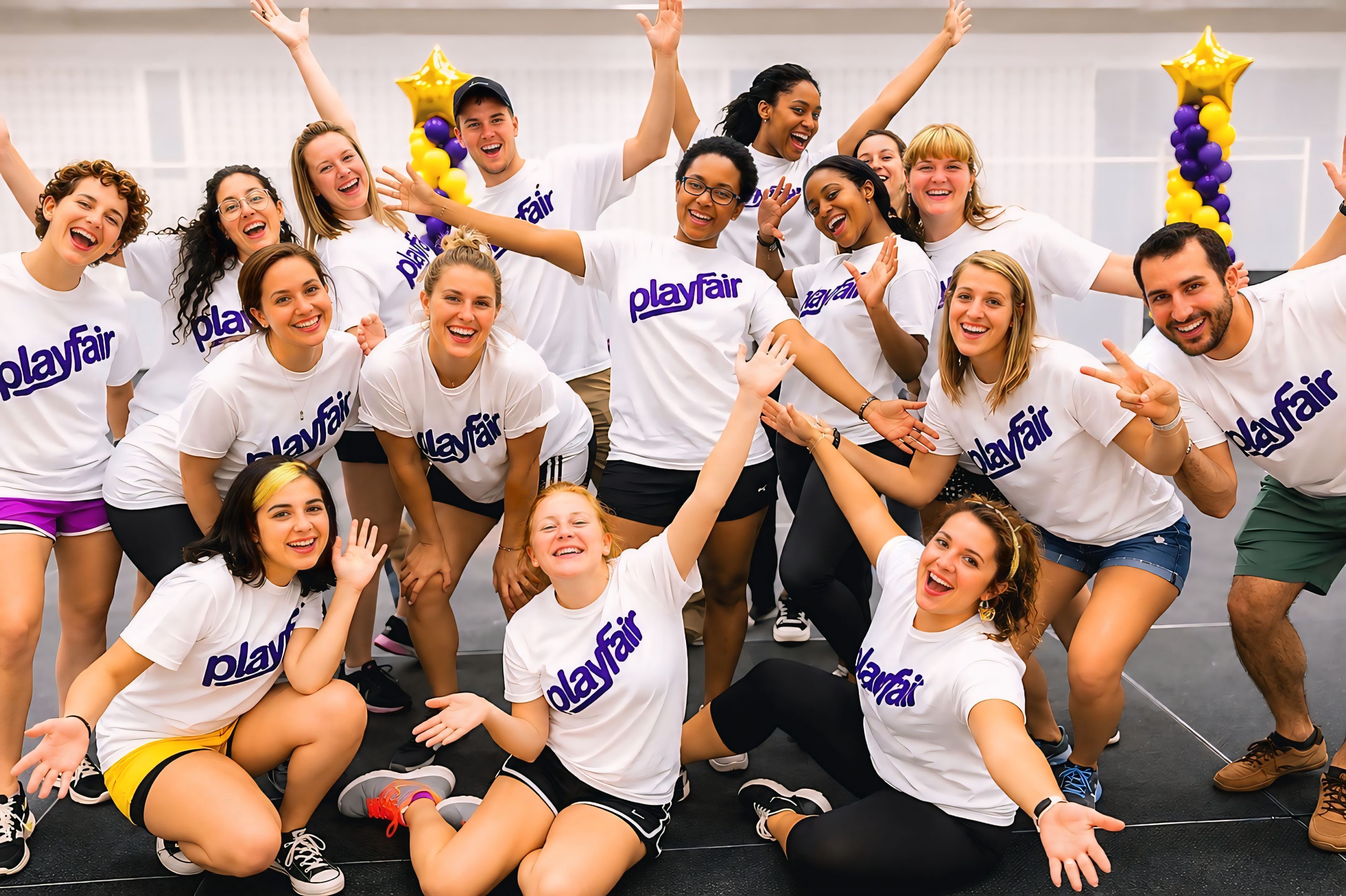
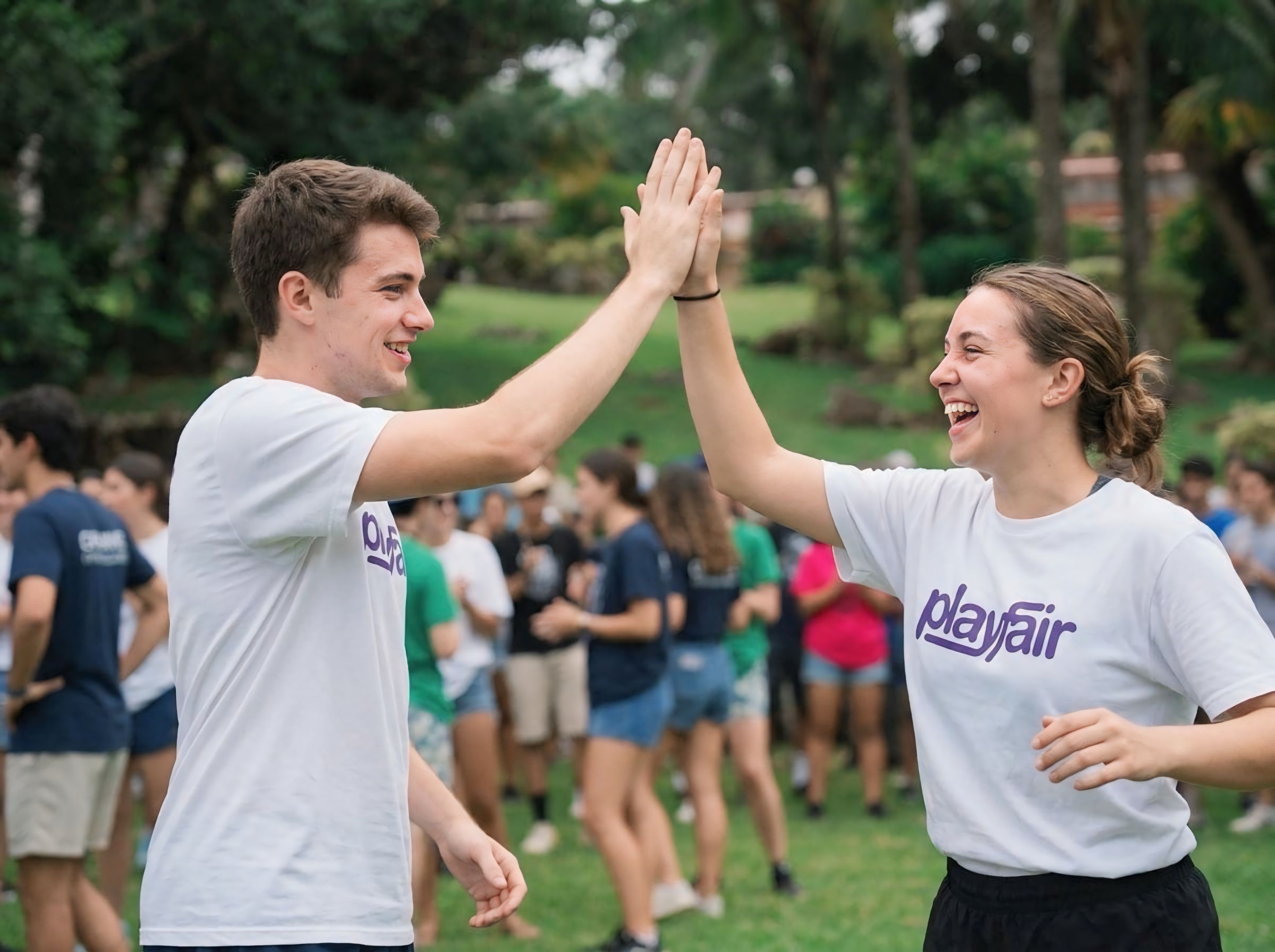
The activities are active, inclusive, and non-competitive, so students can participate whether they are outgoing, introverted, international, first-in-family, or still unsure where they fit. Senior students are trained as peer leaders, so new students see a campus where people look out for each other.
That is why universities use Playfair as more than a welcome activity. It is a practical way to create belonging early, strengthen peer connection, and help students begin university with more people, more confidence, and more reasons to come back.